💥Winter SALE on selected items and collections - discover now

Rosenthal studio-line: Design icons and modernity

The Rosenthal studio-line is known worldwide for its avant-garde and sophisticated design. Renowned artists and designers from all over the world have developed contemporary porcelain tableware and unique accessories and gift items made of porcelain and glass for Rosenthal studio-line. In addition to limited-edition art objects and tableware collections, Rosenthal studio-line has also designed high-quality glass collections. It particularly appeals to design-oriented and art-loving people who are open to modern, innovative product ideas.

From iconic tea services designed under the direction of Bauhaus founder Walter Gropius to modern tableware concepts, Rosenthal studio-line has repeatedly set trends and redefined the boundaries between art and functional porcelain. Discover the brand philosophy behind studio-line, its history, the influential artists, iconic series and current collections of this extraordinary world of design.
1961 – Launch of Rosenthal studio-line

Rosenthal studio-line logo from 1961-1999Base stamp of the Rosenthal studio line 1961–1999

With the launch of Rosenthal studio-line in 1961, Philip Rosenthal Jr. sent a powerful signal about the future of porcelain design. At a time when industrial design was not yet commonplace, Rosenthal entered into bold collaborations with renowned designers, creators and architects of his day. The designers who collaborated with Rosenthal included visionaries such as Raymond Loewy, Walter Gropius, Tapio Wirkkala and, later, Sebastian Herkner. The goal was always to transform everyday objects into artistically and functionally extraordinary pieces.


Rosenthal studio-line logo from 1999-todayBottom stamp of the Rosenthal studio-line from 1999 onwards

To date, over 150 creative minds from around the world have developed distinctive collections for studio-line – with great success: around 500 international design awards and exhibitions in the world's most renowned museums bear witness to this. Rosenthal studio-line is still considered an outstanding flagship for innovative product design in the porcelain sector.

The Rosenthal studio-line is clearly recognisable by the stamp on the base, which is still in use today. It consists of the classic Rosenthal logo and the term ‘studio-line’ underneath.


Learn more about determining the age and value of Rosenthal porcelain

Historical development of studio-line

The arrival of Philip Rosenthal Jr. in 1950 marked an important turning point for product development. Philip Rosenthal sought to make a radical break with the traditional design of porcelain. His aim was to transfer the avant-garde design of functional forms, which originated primarily in Italy and the USA, to the field of porcelain manufacturing. With its first collections in the ‘New Look’, Rosenthal made a bold attempt to integrate both the functional Bauhaus tradition and the ‘kidney table style’ of the time. These pioneering years of modern design gave rise to legendary products such as an orchid vase, the so-called ‘Schwangere Luise’ (Pregnant Louise) by Fritz Heidenreich (1950), and the ‘Fortuna’ service by Elsa Fischer-Treyden (1957).


Initially ridiculed by critics as ‘gimmicky’ or ‘kitsch’, Rosenthal's visionary idea developed into the new, contemporary Rosenthal design line studio-line, which became an innovative flagship for the industry. The collaboration with American designer Raymond Loewy and his studio proved to be groundbreaking. Loewy developed the ‘2000’ form for Rosenthal together with Richard Latham. This simple, strikingly slim-shaped service became a long-standing success and helped the new line achieve its breakthrough.

Rosenthal Form 2000 porcelain tableware set with fine crosshatch pattern

Brand philosophy: innovation, high standards and international creativity

Rosenthal studio-line embodies innovation and high design standards worldwide. Company founder Philipp Rosenthal formulated the guiding principle of introducing the best artists and designers of their time to porcelain, glass, ceramics and metal in order to create products that capture the spirit of the present. This credo – ‘Originals of our time’ – was consistently developed further by his son Philip Rosenthal Jr. and formed the basis for the Rosenthal studio-line design brand, which was officially registered in 1961. Since then, renowned artists from all over the world have designed contemporary tableware, accessories and gift items for studio-line.

Until the current century, Rosenthal studio-line was aimed at a design and art-loving audience that was open to modern, innovative product ideas. Rosenthal not only offered porcelain tableware in the studio-line, but also supplemented it with high-quality cutlery and glass collections to create a holistic modern table setting. The aim was to transfer avant-garde design to tableware and home décor.

Over the years, Rosenthal has brought together more than 150 international designers, united by the mission to create ‘originals of their time’. This visionary aspiration has made studio-line a pioneer in the industry since the 1950s, continuing to write design history to this day.

Bauhaus, Scandinavia, Pop Art: The design history of studio-line

The historical development of Rosenthal studio-line is marked by milestones and changing design trends, which as children of their time reflected the spirit of the age. An important turning point was the entry of Philip Rosenthal Jr. into the family business in 1950, which represented a radical break with traditional decorative porcelain. From then on, Rosenthal focused on a modern design language and collaborated with pioneering artists.

In 1961, the name Rosenthal studio-line was officially introduced – Philip Rosenthal presented the concept at the time with the words that Rosenthal wanted to be a ‘publisher of good things’, independent of any particular style, as long as the design was contemporary, skilful and functional. With this in mind, he soon expanded the range to include glassware and cutlery to create a ‘triad’ of modern tableware.

Rosenthal TAC teapot on Bauhaus book

Groundbreaking design collaborations in the 1960s

In the 1960s, studio-line established itself with functional modernism and influences from Scandinavia.

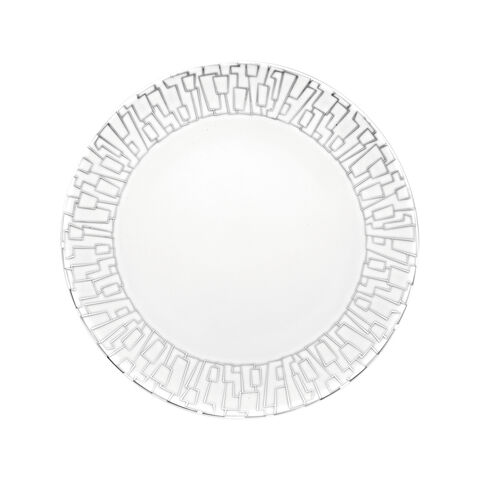
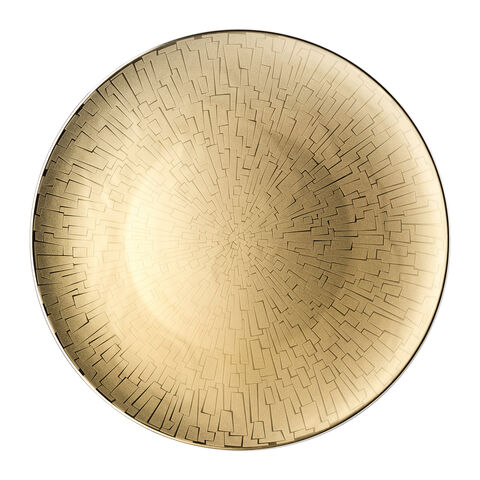
In 1969, Bauhaus founder Walter Gropius designed the purist TAC 1 tea service, which reflected the geometric aesthetics of modernism and became a design classic. It is an integral part of the Rosenthal range as the cornerstone of the Rosenthal TAC collection.

At the same time, Scandinavian designers were making their mark: Finnish designer Tapio Wirkkala and Danish designer Björn Wiinblad introduced clear forms and playful decorations.

  • Tapio Wirkkala presented his first service in 1962 with Variation, which was characterised by its clear, reduced design language and distinctive vertical groove structure. Today, it is part of the MoMA collection in New York.
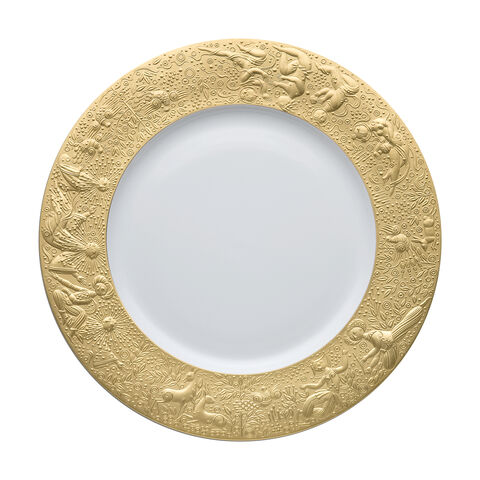
  • Bjørn Wiinblad, on the other hand, gave the Magic Flute collection a poetic, fairy-tale touch with his imaginative decorations inspired by the opera of the same name – for example on vases and plates.

Rosenthal positioned the studio-line in this decade as a reflection of its time, depicting artistic trends from purism to ornamentation.

Rosenthal Magic Flute porcelain platter with golden relief design

Rosenthal studio-line in the 1970s

The 1970s brought further innovations. With his Suomi tableware collection (1976), Finnish designer Timo Sarpaneva created an organically shaped service inspired by rounded pebbles, which captivated with its combination of white porcelain and stainless steel and even won a gold medal at the Faenza Ceramics Biennial.

Both designs – the cubist, technical Polygon and the natural, soft Suomi – became long-running successes and underline the breadth of the studio line between geometric rigour and organic design.

Rosenthal Suomi tea set on wooden tray with lemon and chamomile

Rosenthal studio-line in the 1980s

In the 1980s, Rosenthal broke new ground and worked primarily with leading Italian architects. Mario Bellini, for example, ushered in a phase characterised by clear geometry with his Form Cupola (1987) – named after the dome that recurs as a design principle in the shape of the handle and the relief. Aldo Rossi also contributed to the modern interpretation of classic basic forms with his Il Faro service.

At the same time, the zeitgeist of pop art found its way into the company's designs: New York artist Dorothy Hafner captured the lively style of the 1980s with her colourful Flash service (1986). Angular plates and bright decorations in geometric patterns made Flash an avant-garde eye-catcher on the dining table. This blend of Italian design and American pop culture perfectly reflected the spirit of optimism that characterised the 1980s. One of the most remarkable aspects of the Flash collection was that it was not made of porcelain, but of a special type of ceramic produced in the company's own ceramics factory in Kronach.


Rosenthal's studio line: 1990s to the present day

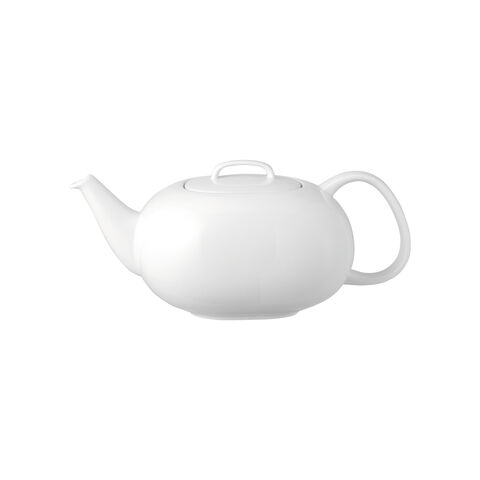
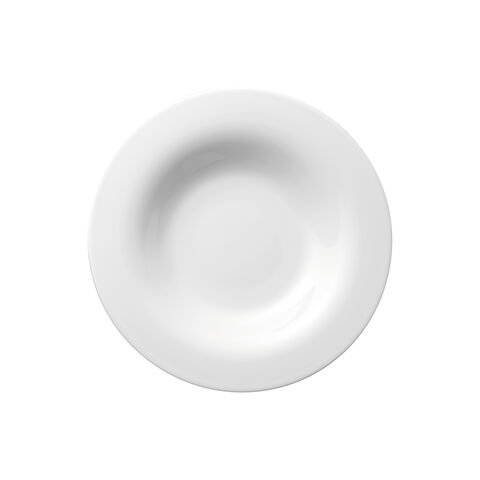
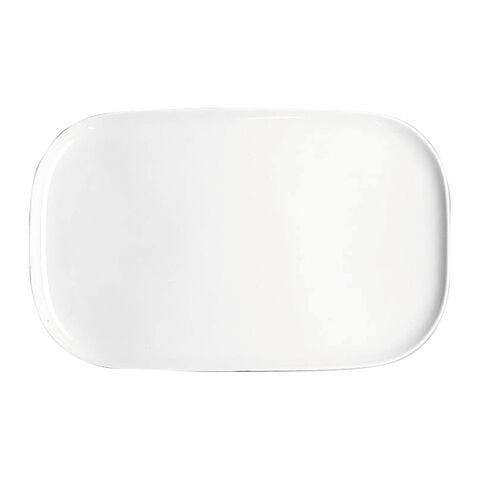
After reunification, minimalist purism gained in importance. In 1997, British designer Jasper Morrison created the Moon tableware collection for Rosenthal studio-line, a deliberately simple range that dispenses with ornamentation and emphasises the soft, clear shapes of the porcelain. Rosenthal Moon struck a chord in the 1990s and was hailed as a modern classic.


In the new millennium, the focus of studio-line increasingly shifted to holistic table concepts: collections such as Free Spirit, À la Carte, in.gredienti and Landscape combine tableware, glasses and cutlery to create versatile worlds of experience for the dining table. These concepts demonstrate that the innovative power of Rosenthal studio-line remains unbroken – it continually reinterprets table culture and thus remains true to its credo of creating ‘originals of our time’.

Rosenthal Moon cup and plate with pastry and berries

Important designers – from Gropius to Urquiola

Over the decades, countless renowned designers have shaped Rosenthal studio-line. More than 150 artists, designers and architects – from legends of modernism to rising stars of the present day – have created collections for Rosenthal. Below, we have listed some of the most outstanding personalities and their contributions:

  • Walter Gropius (1883–1969): The founder of the Bauhaus brought Bauhaus principles to the world of porcelain with the TAC 1 tea service (1969). Gropius' design established the enduring success of the Bauhaus style in the Rosenthal studio-line

Learn more about Walter Gropius

  • Tapio Wirkkala (1915–1985): The Finnish all-round designer contributed a number of groundbreaking designs and is considered a pioneer of Scandinavian influence at Rosenthal. With his Variation service (1962), for example, Wirkkala introduced a striking cylindrical relief design. In 1963, he was the first ever to combine porcelain and metal in a tableware set. His bag vases for Rosenthal became a trademark of his collaboration with Rosenthal and remain very popular to this day.

Learn more about Tapio Wirkkala

  • Bjørn Wiinblad (1918–2006): The Danish artist and stage designer gave the studio line a playful, fairy-tale dimension. From 1957 onwards, he designed numerous figurative decorations and tableware with his unmistakable signature style, inspired by musical theatre and opera. Wiinblad created his most famous work with the Zauberflöte tableware service (1968): This magnificent dinner service – named after Mozart's opera – is considered one of Rosenthal's most elaborate and precious porcelain works of art. Wiinblad's imaginative designs, often embellished with gold (Sarastro), contributed significantly to the worldwide fame of the studio-line.

Learn more about Bjørn Wiinblad

  • Jasper Morrison (born 1959): As a representative of New Simplicity design, the British designer brought minimalist zeitgeist to the Rosenthal collection. His Moon service (1997) stands for radical simplicity with soft, harmonious forms without any decoration, emphasising the material aesthetics of porcelain.

Learn more about Jasper Morrison

  • Patricia Urquiola (born 1961): The Spanish-born, Milan-based designer is one of the most internationally renowned designers. In 2008, Urquiola designed the Landscape tableware concept for Rosenthal studio-line, which broke new ground in tableware design.

Iconic series: Design classics from Rosenthal studio-line

Over the decades, numerous series from Rosenthal studio-line have made design history. A selection of particularly influential classics impressively demonstrates the diversity of design:

  • Form 2000 (1954) – Designed by Raymond Loewy and Richard Latham, this service broke with traditional forms. The conical basic structure and pointed lid knobs made Form 2000 a modern classic, which appeared in around 200 designs.
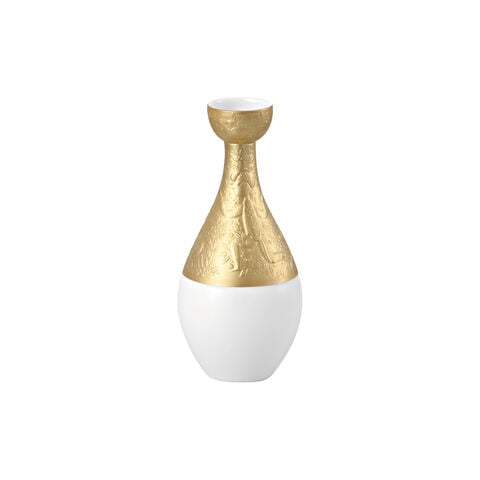
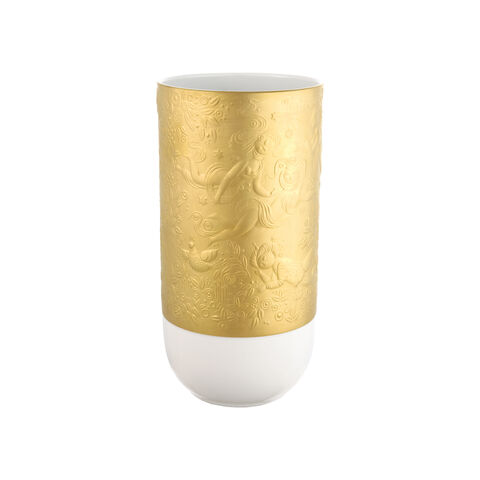
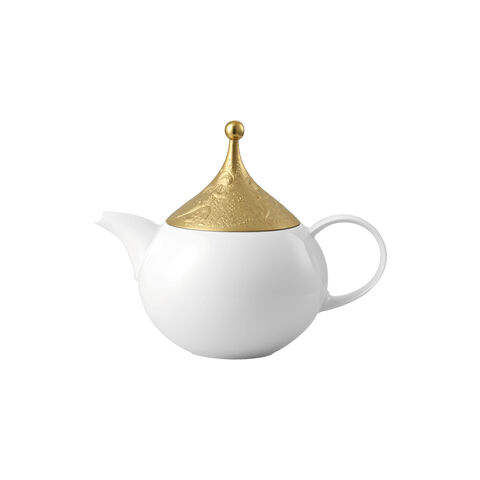
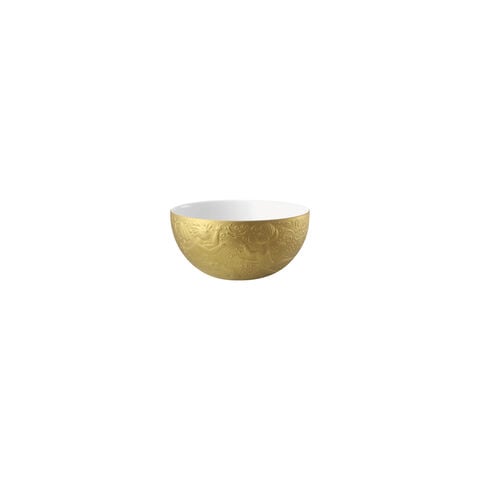
  • Zauberflöte (1968) – Björn Wiinblad's richly decorated tableware tells the story of Mozart's opera ‘The Magic Flute’ in fine relief decoration. It is considered one of Rosenthal's most technically sophisticated porcelains and is still available today in white and in a gold-plated edition (Rosenthal Magic Flute Sarastro).
  • TAC 1 (1969) – Walter Gropius' legendary design is inspired by the Bauhaus. Clear geometries and functional aesthetics characterise this tea service, which is exhibited in numerous museums and is still considered a design classic today.
  • Suomi (1976) – an organically shaped service by Finnish designer Timo Sarpaneva, whose name (Suomi = the Finnish word for Finland) says it all. Sarpaneva was inspired by the smooth pebbles found on his native coastline. The tableware collection is characterised by soft, flowing, object-like shapes. Suomi was awarded the gold medal at the Faenza Biennale and remains one of Rosenthal's most successful collections to this day.
  • Moon (1997) – Jasper Morrison's purist collection stands for timeless simplicity. Clean lines, functionality and material aesthetics merge to create a tableware collection that blends discreetly into any environment. Its almost poetic simplicity immediately made Moon a modern classic – a service that embodies the philosophy of ‘form follows function’ in its most beautiful form.

These and other collections characterise the heritage of the Studio Line – as an expression of style-defining design and timeless porcelain art.

Rosenthal studio-line: A lasting legacy of modern design

For around five decades, Rosenthal studio-line has combined art and function to create iconic objects for the table. Its philosophy is characterised by constant change, courageous avant-garde design and collaboration with the most important designers of their time. This has created a unique creative space in which tradition and innovation merge in an inspiring way.

Whether you fall in love with classics such as TAC or Suomi or are looking for expressive art objects cast in porcelain, such as the Magic Flute collection, Rosenthal studio-line opens up a space for individuality, style awareness and the highest design quality. It invites you not only to live table culture, but to celebrate it – as an expression of personality, creativity and a sense for the extraordinary.

Rosenthal studio-line is therefore not only a piece of design history, but above all an invitation to continue writing this history.

OOPS! The browser you are using is no longer supported.

Browse Rosenthal.com using the latest version of Microsoft Edge, Chrome, Mozilla Firefox or Safari and prepare to dive into an extraordinary beauty experience.